
SB Profiles
Rebuilding From The Studs
Niche? Nonprofit? And a print publication? All signs pointed to an uphill battle. But ARCADE’s Leah St. Lawrence is showing how stability, growth, and experimentation can coexist within one organization.
By Rachel Eggers December 29, 2025

This article originally appeared in the November/December 2025 issue of Seattle magazine.
“Greetings. the new publication ARCADE, which you are holding in your hands, is an experiment in integration.” These words welcomed readers to the first issue of a new publication declaring itself to be “Seattle’s calendar for architecture and design.” Selling for one dollar and printed across four pages of 11×17, black-and-white newsprint with a single fold, the March 1981 debut included news and events listings—lectures, meetings, and tours—and a feature with two voices debating, side by side, their views about a recent symposium at the University of Washington on urban architecture and development—evergreen topics in this evergreen city.
Fast forward to 2025, amid sky-is-falling doomsaying around both print media and arts nonprofits, and ARCADE is going strong as both. Innumerable staff , volunteers, and supporters along its 44 years made it what it is: an award-winning publication that is home to thoughtful and thought-provoking dialogue for designers, architects, and civic-minded creatives in various fields. But in the past five years—particularly challenging ones for the arts—it has benefited from a new energy and rigor thanks to its executive and editorial director, Leah St. Lawrence. Her efforts since taking the helm in 2021 could also be described as “an experiment in integration.” They offer a vision of how to steward a legacy brand into the future while incorporating multigenerational perspectives.
A writer and curator, St. Lawrence first became involved with ARCADE as the feature editor of the winter 2019 issue. At the time, Kelly Rodriguez, its executive director and editor (and first-ever paid employee), was departing after 18 years with the organization. St. Lawrence was then invited to join the board, and as she dove into the governance of the organization, her brain started percolating and she stepped forward as a possible successor. Her background seems tailor-made for the role: a formal education in art history, business, and accounting, as well as an MFA in arts leadership from Seattle University.
“There is so much power in building local connections and drawing on our neighbors for knowledge and support.” —Lauren Gallow, Journalist
Jason Bergevin, a lawyer and supporter of the arts who served as ARCADE’s board president from 2017–2020, was among those who heard her proposals for the organization’s future and saw a path forward. “While Leah was aware of, and respected, ARCADE’s history, she wasn’t confined by it. Whether it was participating in the Seattle Design Festival or reworking the website, she wanted to insert ARCADE into the community discussion of design and the built environment in interesting and unique ways.”
Her first decisive action: To pause. “It was an intentional strategy to pause publication in 2021,” she says, “so that I could take forensic accounting of the brand.” St. Lawrence spent a year in the books, bylaws, and archive (“this is where I become a little kid!” she admits) so that she could fully understand where the organization stood. Rather than come out of the gate with a case for support—a well-worn groove for nonprofits—she wanted to offer a sustainable business model for them to invest in. “I was able to take it down to the studs,” she says. “Thankfully, it had a great foundation. I allowed the brand to tell me what its next phase of life would be.” She’s proud to say that ARCADE has only just sent out its first paper invitation to the community since she took the reins for a fundraiser in October. “Slow growth, sustainability, and taking the long vision: That’s the value system.”
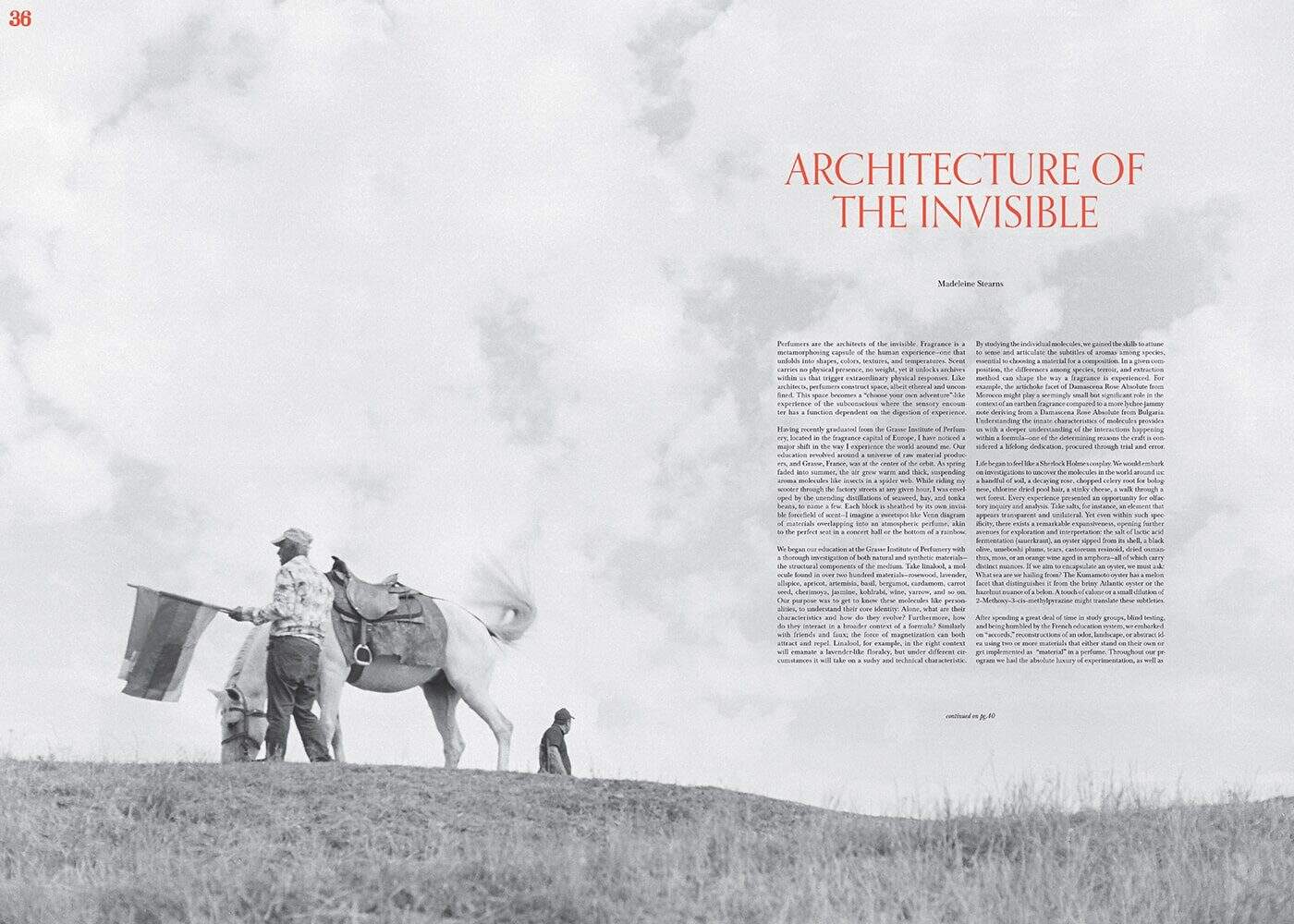
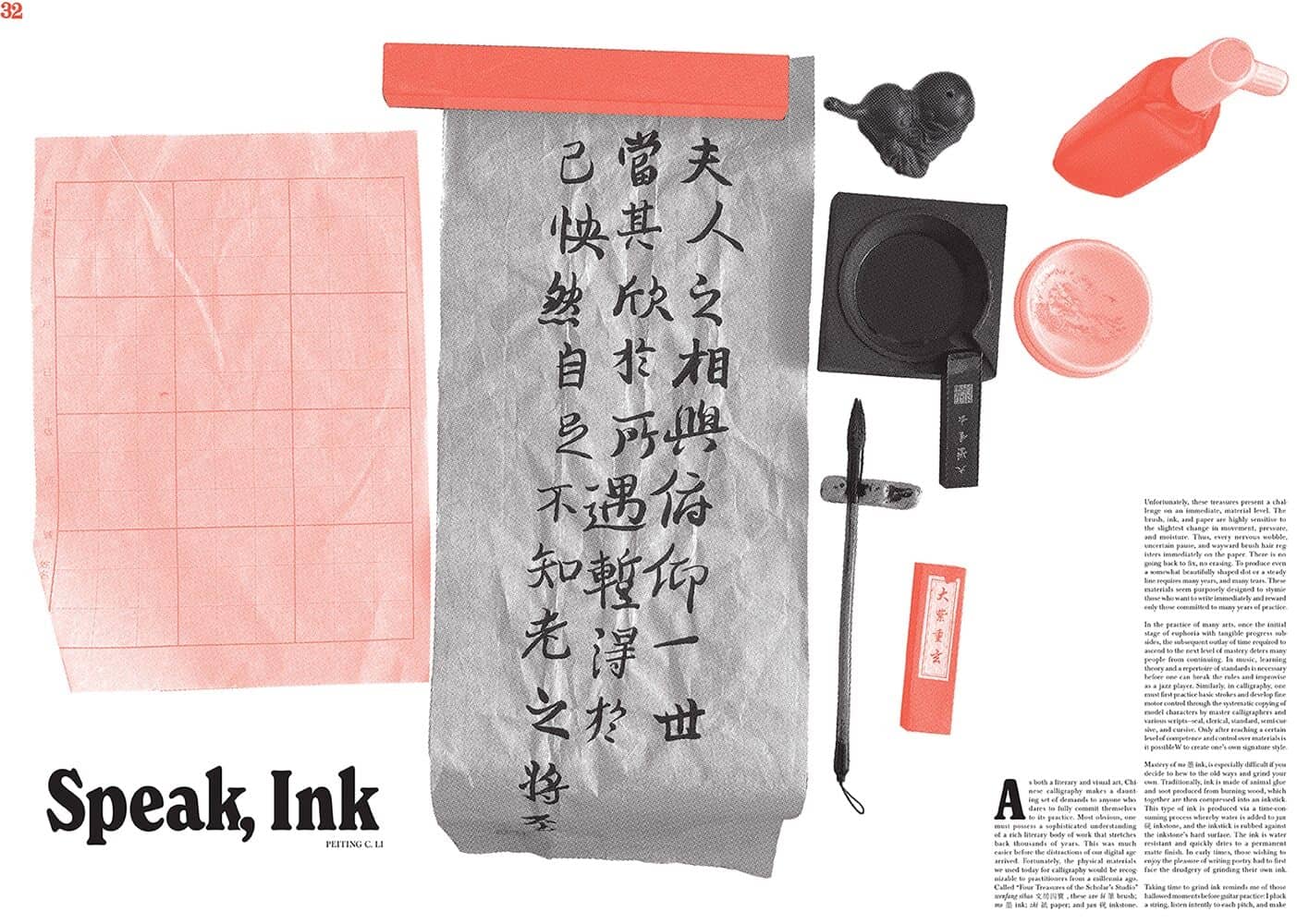
ARCADE’s model is centered around its concept-driven publication. St. Lawrence solidified a biannual timeline (spring/summer and fall/winter), which streamlines both operational and audience issues. These are limited-edition issues, beautifully designed and printed, and entirely free; St. Lawrence enshrined that in the nonprofit’s bylaws. She also introduced a tiered membership program, something it had never before offered. In 2024, she experimented with producing four editions of a digital magazine, learning many lessons about their audiences. ARCADE then launched a digital journal, arc, as a home for more timely content, including cultural criticism and reviews. Lauren Gallow, a writer who has been involved with ARCADE since 2019, and serves as an editorial adviser, says, “[Leah] has done much to make the entry points into the organization even more accessible, with the digital journal, internship program, and partnerships with local organizations.”
ARCADE’s mission extends into the real world, nurturing the next generation of architects, designers, and writers with an annual internship program. Graycie Viscon, an architecture student at the University of Washington (UW), was an editorial intern this past summer. She also took a writing class at UW spearheaded by Gallow in 2024 in collaboration with ARCADE. These experiences “have been foundational for me in shaping how I envision my future career,” says Viscon. “There was a turning point for me—from not knowing what in the world I wanted to do after I graduate, to having a concrete goal of working as a writer and editor at an architecture publication.”
The broader ARCADE community also comes together at events it hosts, primarily at their temporary summer residencies. This past summer, they were in the Graham Baba-designed West Canal Yards, formerly a fi sh cannery. St. Lawrence dubbed their space “The Living Room” and filled it with a display of the publication’s archives on a simple-yet-imposing grid of wood shelves, two long sawhorse tables that could be easily taken apart and stored, and a sitting area and mini-showroom of donated furniture from Blu Dot, Dame Interiors, and Legacy Group. Everything sat beneath a moon pendant from Graypants—all “validation that ARCADE mattered” to the design community, says St. Lawrence. Open a nondescript door, Oz-like, and you entered an art exhibition curated by local gallery director, Timothy Rysdyke. These summer residencies are “the concept made physical,” and St. Lawrence is ebullient after a season spent connecting with colleagues, interns, and the community. Up next are some fall programs, and then ARCADE will contract a bit for the winter, with internships over and St. Lawrence heading back to the organization’s long-term desks at Marquand Books. There, she’ll continue to work on the next issue and begin identifying next summer’s temporary home, a model that suits the strategy for now. “I want to invest in people, not in a permanent location or a five-year lease,” says St. Lawrence.
“The media landscape is changing rapidly before our eyes, and I think it’s more important than ever to hold on to publications like ARCADE that are rooted in community and regionality,” says Gallow. “There is so much power in building local connections and drawing on our neighbors for knowledge and support, especially right now, and an organization like ARCADE has this baked into its DNA.”
“It has blossomed beyond what I anticipated,” says St. Lawrence. “And there is still so much ahead of us.”